We are actively fundraising in our region. For more details about verified outreach efforts, click here.

URGENT: Mailed donations may be delayed due to the Canada Post disruption. Learn more about giving online.

Donate

In 2018, Karen Choong, a critical care doctor at McMaster Children’s Hospital and professor in the Department of Pediatrics, received $25,000 to improve recovery after intensive care treatment. 

The result was PICU Liber8: Eight Steps Toward Better Pediatric Recovery. This innovative rehabilitation program focuses on patient comfort, sedation stewardship, early mobilization, sleep hygiene, optimal nutrition and family engagement. Its goal is to “liberate” children from common complications of critical illness and support a smoother, more holistic recovery. 

What happens when doctors ask about more than just symptoms?

In 2022, Gita Wahi, a general pediatrician at McMaster Children’s Hospital and associate professor in the Department of Pediatrics, received $25,000 to explore how social challenges affect child health. 

Her study introduced a new screening tool to help doctors identify unmet social needs among patients and their families. Findings led to the creation of a food pantry and grocery gift card program at McMaster Children’s Hospital to support families experiencing food insecurity. This work was published in the Journal of Paediatrics & Child Health and continues to inform care practices today. 

Can we spot the warning signs of high blood pressure earlier?

In 2024, pediatric nephrologist and associate professor Rahul Chanchlani received $25,000 to support his ALERT-BP study, focused on identifying early signs of high blood pressure in children. 

His research aims to improve screening and long-term outcomes by highlighting the links between childhood hypertension and future risk of heart and kidney disease. Published in JAMA Pediatrics, the study showed that youth with high blood pressure face significantly higher long-term risks of serious heart conditions, including stroke and heart attack. 

Other research questions we are asking:

In 2021, Mark Tarnopolsky, holder of the McMaster Children’s Hospital Research Chair in neuromuscular disorders, was awarded $65,000 to investigate how exercise can improve outcomes in more than 150 different neuromuscular conditions. 
 
In 2022, a significant donation to McMaster Children’s Hospital helped launch one of the world’s first pediatric fecal microbiota transplant pilot programs, offering life-saving treatment to children with C. difficile infections. 
 
In 2024, pediatric gastroenterologist Jenna Dowhaniuk received $25,000 to support her research on how to improve care for children living with celiac disease. 

“Behind every breakthrough is a donor who believed in the power of research,” said Anissa Hilborn, CEO of Hamilton Health Sciences Foundation. 

 “Thanks to our community of supporters, children in our community, region and beyond can benefit from research that is delivering better care, comfort and outcomes.” 

The Juravinski Research Institute (JRI) is supporting a groundbreaking project by Hamilton Health Sciences, McMaster University and St. Joseph’s Healthcare Hamilton that could transform cancer treatment in Hamilton and serve as a model for cancer care across Canada. 

The initiative—called Enhancing Liquid Biopsy Evaluation and Data Analytics for Personalized Medicine or ELEVATe-PM—will develop better ways to detect and track cancer using simple blood tests. These tests, known as liquid biopsies, can identify minimal residual disease—tiny amounts of cancer that may remain after treatment—and help doctors tailor care to each patient’s needs. 

Led by Aly-Khan Lalani, MD, Tobias Berg, MD and Darryl Leong, MBBS, PhD, the research team brings together clinicians, scientists and digital health experts from Hamilton Health Sciences, McMaster University and St. Joseph’s Healthcare Hamilton. Patient representatives are also part of the team, ensuring the work reflects real-world needs and experiences. 

“We’re excited about what this means for cancer patients,” said Lehana Thabane, chair of the JRI scientific committee and vice-president of research at St. Joseph’s Healthcare Hamilton.

“This project combines cutting-edge diagnostics with artificial intelligence to support more personalized, effective care. It’s about delivering the right treatment to the right patient at the right time.” 

The program will initially include select patients diagnosed with bladder cancer, kidney cancer, and acute myeloid leukemia at Hamilton Health Sciences’ Juravinski Cancer Centre. It will build streamlined systems to collect and analyze specific biomarkers in blood—such as circulating tumour DNA or cancer-related proteins (such as KIM-1)—making it easier for clinicians to monitor disease and make treatment decisions. 

ELEVATe-PM will also harness electronic health records and advanced data analytics to identify patients who could benefit from the tests. The team aims to integrate results directly into care plans, helping oncologists act quickly and accurately. 

With the potential to expand to other cancer types, the project positions Hamilton as a leader in personalized cancer care and health data innovation. 

“We are grateful to the JRI for funding our work,” said Lalani, a medical oncologist and the nominated lead principal investigator. “Together with our collaborative, city-wide team, we aim to integrate innovative blood testing into routine clinical workflows to benefit patients in Hamilton. We will also harness the power of AI and data analytics to evaluate and enhance efficiencies within our cancer research program. Throughout this project, we will actively seek international best practices from leading researchers in these fields.” 

The JRI is improving the health of Canadians by advancing groundbreaking research at Hamilton Health Sciences, McMaster University and St. Joseph’s Healthcare Hamilton. The Institute and its projects are funded through the generosity of the late Hamilton philanthropists, Charles and Margaret Juravinski, and the Juravinski Foundation. Join Charles and Margaret’s lasting legacy in pioneering health research by making a gift in support of the JRI. 

Every discovery starts with a question.

From how to reduce rates of childhood obesity to how to help kids more fully recover from intensive care, researchers at Hamilton Health Sciences (HHS) are tackling some of the most pressing questions in child health. 

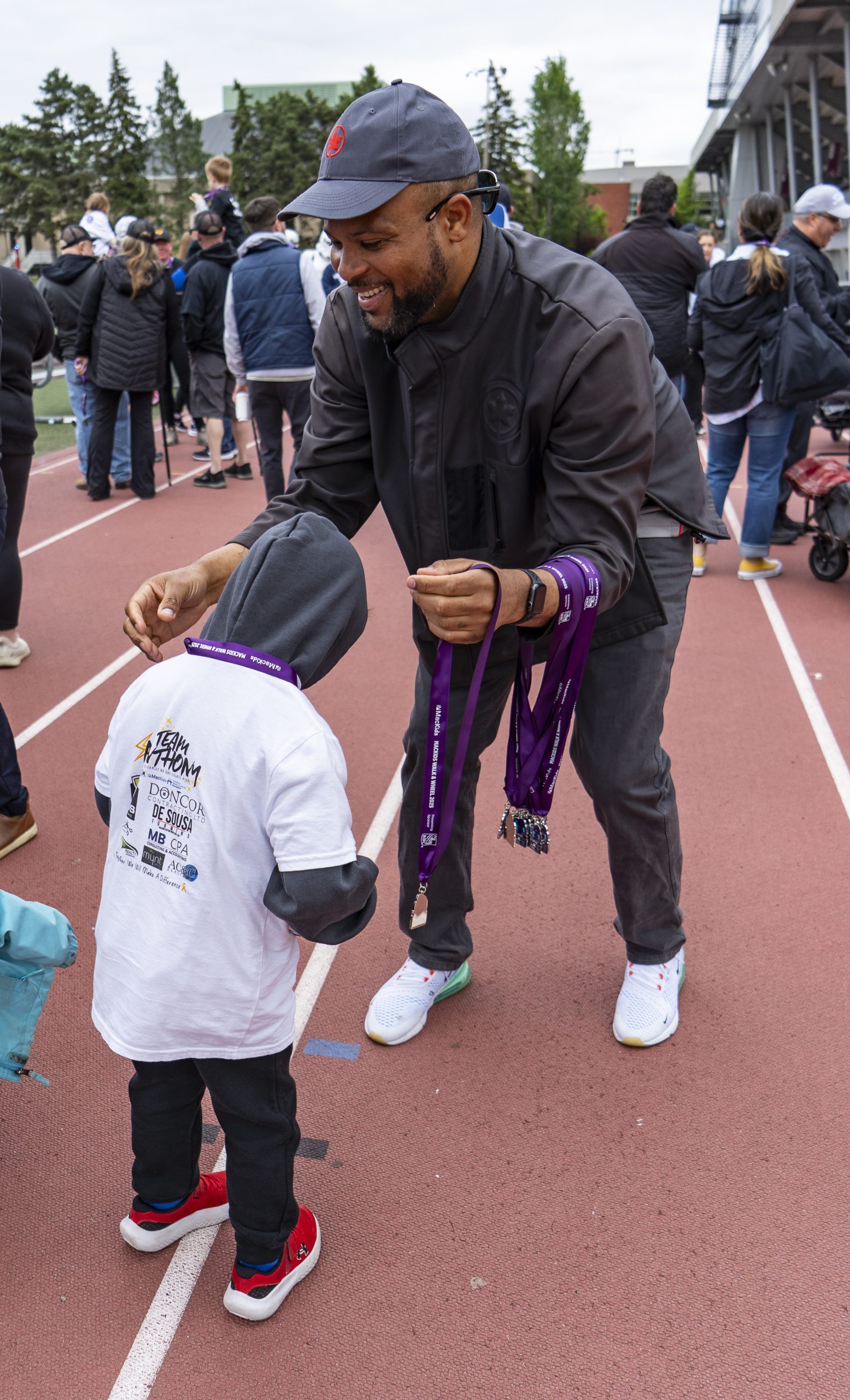
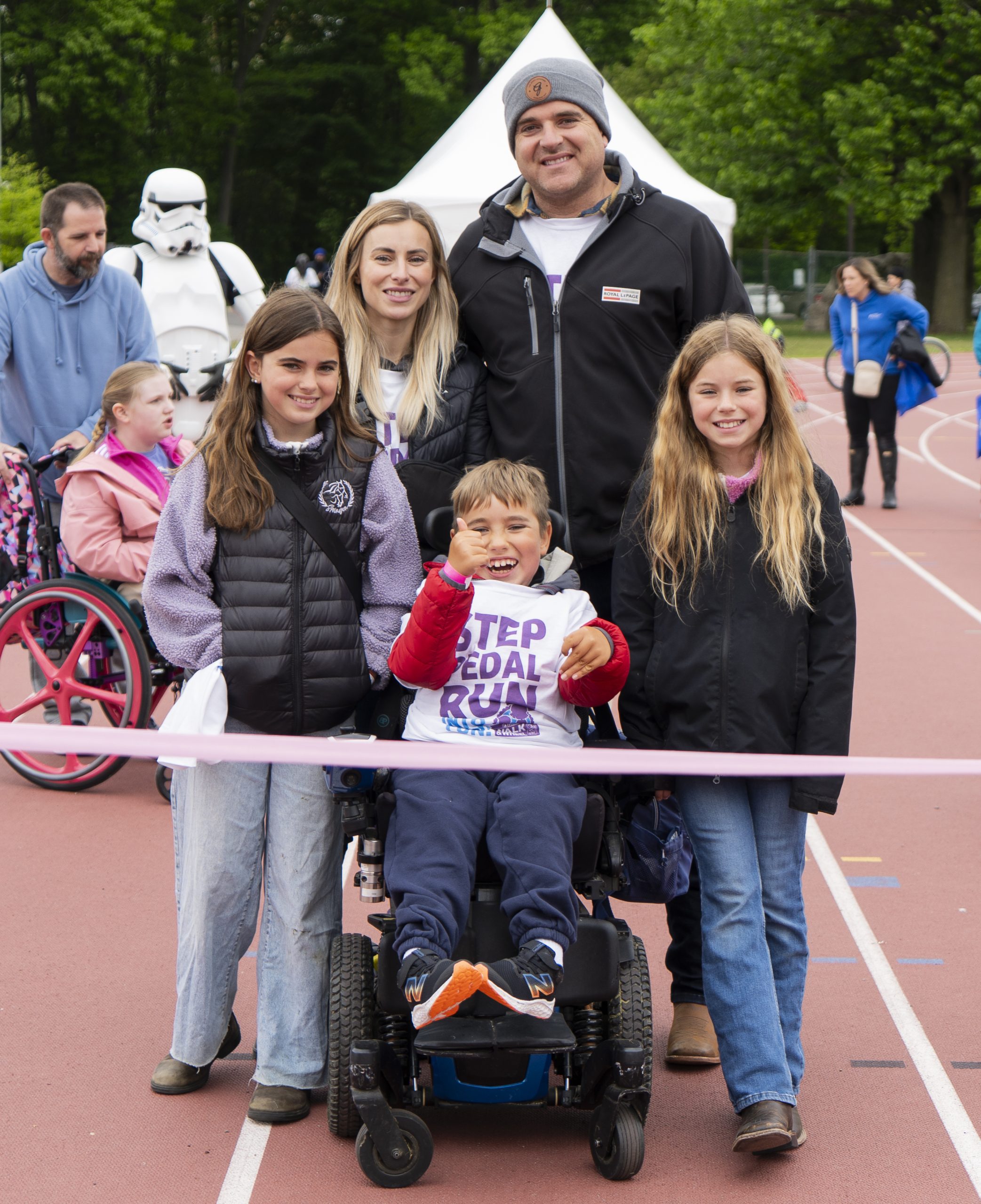
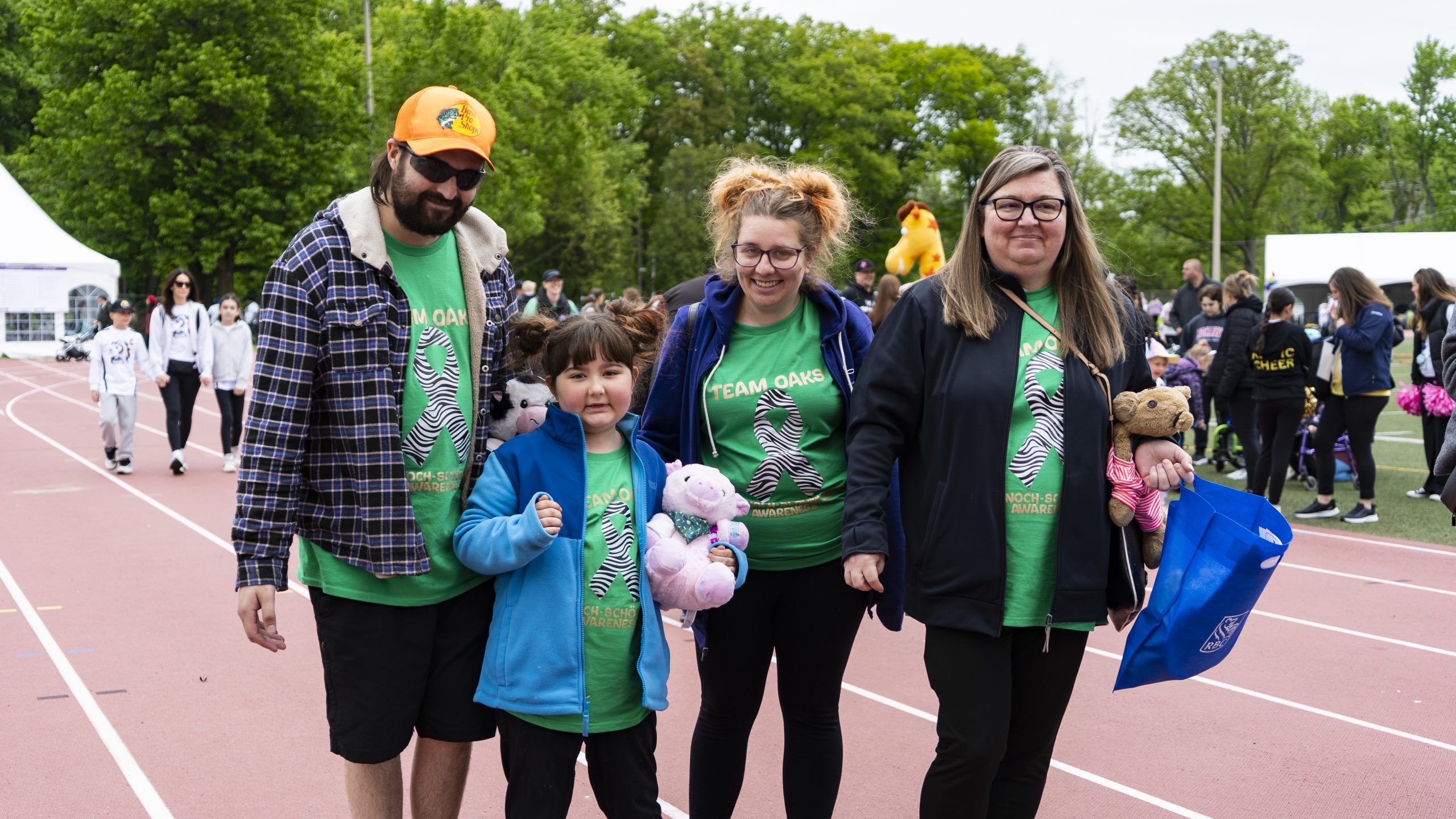
With support from MacKids — and events such as the flagship MacKids Walk & Wheel, a growing community of donors is helping turn bold ideas into life-changing care for children and families in Hamilton and around the world. 

Here are just some of the questions HHS researchers are exploring with that support: 

Could we prevent obesity-related disease before it starts?

As childhood obesity rates continue to climb, Katherine Morrison pediatric endocrinologist at McMaster Children’s Hospital (MCH) and professor in the Department of Pediatrics, saw an urgent need for a new approach. 

In 2012, with a $150,000 contribution from MacKids, she and her co-director, Gregory Steinberg, launched a program to develop better strategies for preventing and treating obesity-related diseases. By 2018, the initiative grew into the Centre for Metabolism, Obesity and Diabetes Research (MODR). 

Today, MODR is home to a team of scientists whose work is transforming care through innovative metabolic disease research. With early donor support, the centre has gone on to attract major external funding and publish in high-impact journals such as Nature and The Lancet. 

The human brain is incredibly complex, managing everything from our breathing and movement to our thoughts, emotions and memories. According to the World Health Organization, brain-related disorders are among the leading causes of disability worldwide, significantly impacting people’s health and well-being. There is a critical need to better understand how the brain functions and to develop novel treatments and interventions that can improve or retain brain health. 

Thanks to funding from the Juravinski Research Institute (JRI), a team of researchers is charting a course to make Hamilton an international leader in brain health imaging and research. 

The new Hamilton Integrated BrainHealth Research Platform will combine clinical care, research, big data and artificial intelligence, with the goal of discovering new ways to improve brain health. 

The research platform has three core pillars: 

  • • Research registry: By gathering detailed brain data and images from current patients and community members, the research team will build a unique database to improve the diagnosis, prognosis and personalized treatment of brain diseases. 
  • • Learning health system: By integrating real-world patient data to generate evidence, the platform will assess brain-based biomarkers to improve care immediately. This learning health system will foster new opportunities for collaboration and education among patients, clinicians and researchers. 
  • • Pilot testing novel brain-based treatments: The platform will launch early-stage studies to determine the feasibility and effectiveness of groundbreaking new treatments, such as deep repetitive transcranial magnetic stimulation (which uses powerful magnetic fields to stimulate the brain), on brain diseases including dementia, substance use disorder and chronic pain. The data will lay the foundation for clinical trials, ultimately bringing the treatments into widespread use. 

“The platform will allow us to make important discoveries in brain-related research areas such as psychiatry, neuroscience, aging, neurology and pediatrics,” said Lehana Thabane, Chair of the JRI scientific committee and Vice President of research at St. Joseph’s Healthcare Hamilton.  

“We are excited about the potential to significantly advance research and patient care, setting the stage for Hamilton’s global leadership in brain health.” 

The research team includes members across Hamilton Health Sciences, McMaster University and St. Joseph’s Healthcare Hamilton, led by James MacKillop, PhD; with Benicio Frey, MD, PhD; Justin Lee, MD; Ipsita Goswami, MD; Mike Noseworthy, PhD; and Maura Marcucci, MD, from Humanitas University