
Donate

Ray Mond ‘Mondo,’ a retired Dofasco worker of 45 years, describes himself as “pretty laid back” and “happy go lucky” – a man who loves road trips with his wife Jackie, long stretches of Cuban sun, and any excuse to channel his inner Elvis. When a backyard barbecue accident in June 2024 left him with third-degree burns to 30 percent of his body, that positive outlook helped to carry him through.

Mondo drove himself the ten blocks to Hamilton General Hospital (HGH). Within two minutes, staff had him in triage. Within twenty minutes, anesthesia has him pain-free and joking with his doctor. He had no idea yet how serious his injuries were. As they wheeled him toward the burn unit, he called back to the team: “You guys are great. When I get out of here we’re gonna have to have you over for a barbecue.” He woke up ten days later.
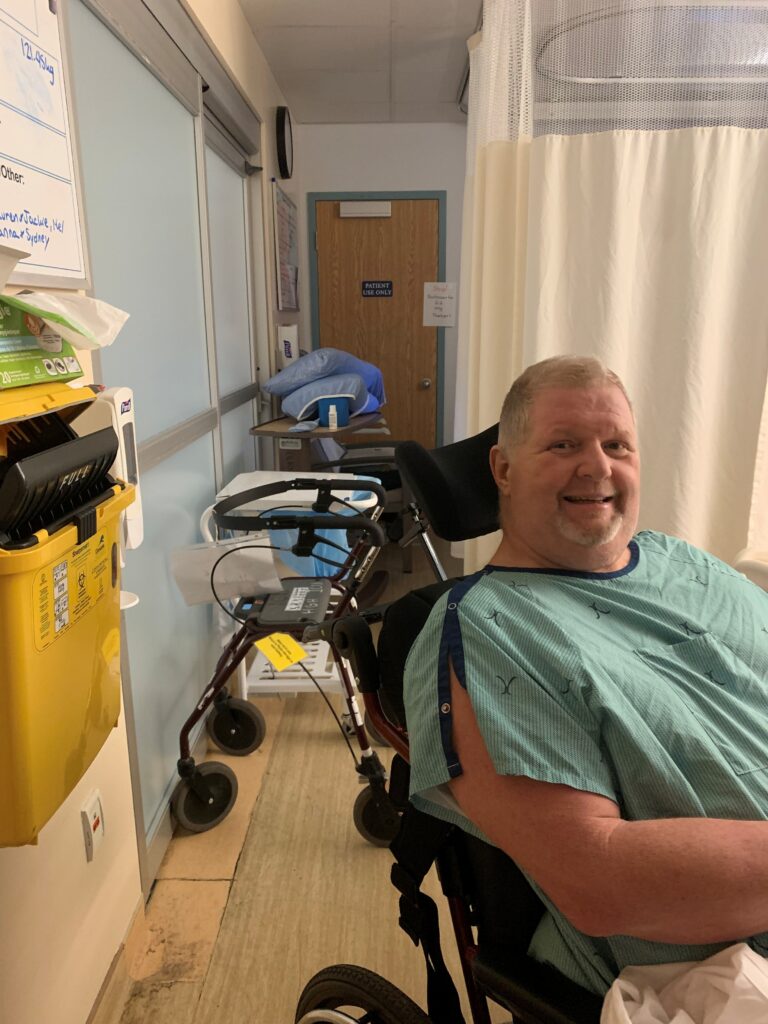
HGH is home to one of only two burn centres in Ontario, drawing patients from across the region who need highly specialized care. For Mondo, that meant two surgeries, skin grafts, nine days on a ventilator, and six weeks in hospital, followed by multiple follow-up visits, and months of careful rehabilitation. The care he received reflected the depth of expertise and coordination that exemplifies the burn unit’s work.

Jackie watched all of it. She remembers Dr. Barkho, the fellow on the team, with particular warmth: “He told me and let me know what was happening. He was just wonderful. I was so blessed to have him there when Mondo was there.” The nursing staff looked after her too, checking in on her support system and making sure she wasn’t navigating things alone.

Recovery moved in small, steady steps. Mondo worked his way down the long second-floor hallway, first partway, then the full length. Before discharge, two nurses walked him to the staircase behind the elevators and made him climb it three times. He joined a gym. He weaned himself off pain medication. He plans to vacation in Cuba.

On the one-year anniversary of leaving the hospital, Mondo brought two pizzas and two boxes of donuts to the burn unit. “You saved my life,” he told them. “Thank you very much.”

The level of care Mondo received depends on HGH having the right resources, equipment and expertise ready for every emergency. Donors make that possible. It is their investments that make HGH’s burn unit a place of genuine excellence. For the next patient – whether they live ten blocks or hundreds of kilometres away – donor support will make that excellence possible too.
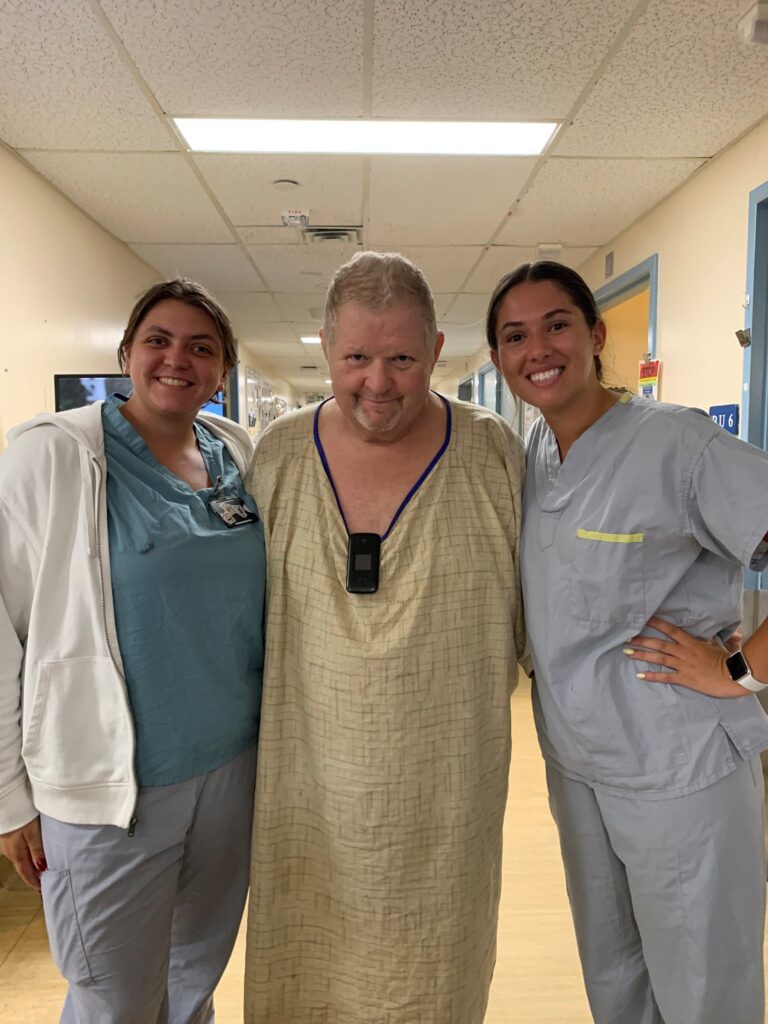
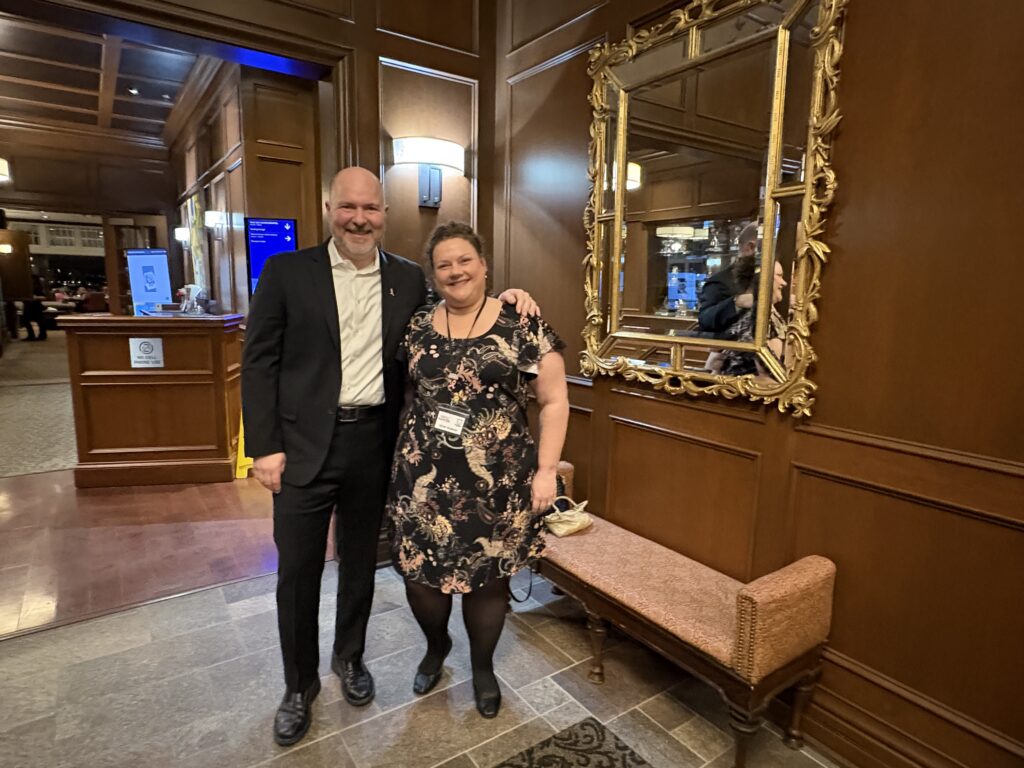
When Jennifer walked into Juravinski Hospital and Cancer Centre (JHCC) for the first time, she felt out of place. She had just received her breast cancer diagnosis and, until that moment, had thought of the Centre as somewhere that other people went.

That was January 2025. Today, Jennifer stands as a passionate advocate for the hospital, a speaker at her curling club’s annual Takeout Cancer Bon Spiel, and living proof of why donor support matters.

Jennifer’s story began the year she turned 50. Her family doctor referred her to the JHCC’s breast assessment centre for her biennial mammogram. The CIBC Breast Assessment Centre is a state-of-the-art facility that consolidates expertise in breast cancer screening and assessment under one roof. Rather than travelling to different clinics, Jennifer was able to get her mammogram, biopsy, blood work and other testing done quickly in one place. “I would never go anywhere else,” says Jennifer.

That first mammogram revealed something that needed a closer look. On December 9th, Jennifer received a call confirming she had breast cancer, an invasive ductal carcinoma roughly the size of a grape. Her surgeon, Dr. Peter Lovrics, told her it had been caught before she would have ever felt it. Had it gone undetected longer, the outcome could have been far worse.

In January 2025, Jennifer underwent a lumpectomy at JHCC, followed by 10 radiation therapy sessions. Throughout her treatment, the people at JHCC made the hardest days more bearable. “They stand out as the true heroes because they take a piece of someone’s scariest day and moment, and they make it so much better.”

As a regional hub for cancer care and research, JHCC brings together specialists, technology, and support services that serve patients across south-central Ontario and beyond.

Among the innovations Jennifer benefited from was magnetic seed placement, a donor-funded technology that helps surgeons precisely locate and remove breast tumours. When she learned her equipment had been funded by donors, the moment landed with new weight. For two years, Jennifer and her husband have sat on the committee of their curling club’s Takeout Cancer Bon Spiel, raising funds for JHCC. Having now experienced firsthand the difference that donor-funded technology makes gave her fundraising efforts this year a profound new meaning.

The Bon Spiel, now in its fifth year, was founded by curling club members Sue and Phil Redden following Phil’s own cancer journey. This year, Jennifer took the stage as the event’s speaker and shared her story publicly for the first time. The event raised $72,000 in 2026 alone, bringing the five-year total to $221,000.

For Jennifer, the message to donors is straightforward: “We need to realize how lucky we are to have this hospital in our backyard because if they weren’t there to do all the things that they did for me, I wouldn’t be here.”

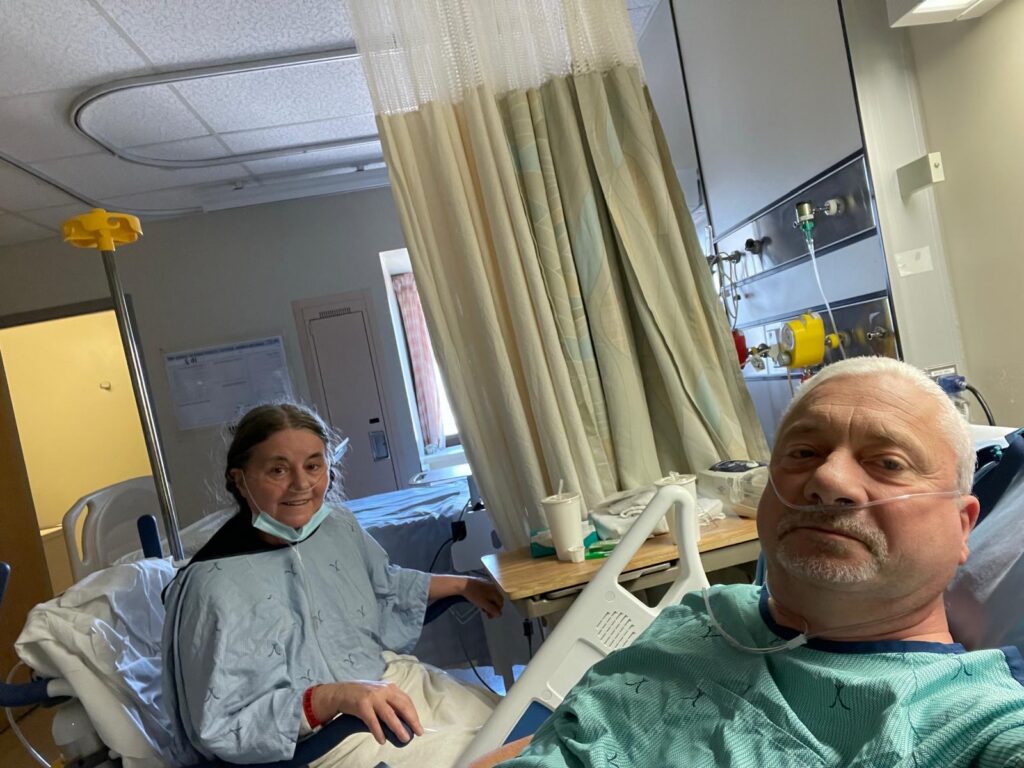
It started with a shower in a marina during a boat trip along the Trent Canal. Two weeks later, Cynthia, a retired seniors’ care professional, was barely conscious and breathing with great difficulty. Recognizing that something was seriously wrong, her husband Ray brought her to Hamilton General Hospital’s (HGH) emergency department. The team there responded immediately. “Is she always this confused?” the triage nurse asked Ray. When he said no, she acted without hesitation, securing a wheelchair and bringing Cynthia straight into the emergency room.

Within days, Cynthia was diagnosed with Legionnaires’ disease, a type of severe lung infection, and placed in a medically induced coma. What followed was a four-and-a-half month stay in the Intensive Care Unit (ICU) that tested the full depth of HGH’s specialized expertise. The team managed two medically induced comas, treated sepsis, navigated feeding tubes and tracheotomy tubes, and addressed a severe secondary lung infection that complicated her recovery at every turn. At one point, Ray was asked to prepare to make a very difficult decision about her care. “The doctors that we have seen afterward have all said they never expected Cynthia to come out of that alive,” Ray recalls.

She did.

HGH serves as a regional referral centre for critically ill and injured patients across south-central Ontario, offering advanced treatments and specialized expertise that many smaller centres cannot provide. As one of Canada’s largest academic teaching hospitals, it draws exceptional medical professionals and trains the next generation of health care leaders. For Cynthia, that depth of skill and commitment was present at every stage of her care.

That standard of care continued through rehabilitative support while she was still in hospital, from the ICU through to a step down unit and finally ward care. Physiotherapists like Elise helped Cynthia progress from her first assisted steps to walking the eighth-floor hallways daily, cheered on by staff from every department she passed. “I had a cheerleading crowd like I was in the world series,” she recalls. Respiratory therapists visited multiple times daily, occupational therapists helped rebuild her manual dexterity, and even a member of the cleaning staff taped a handwritten note to the foot of her bed so she would see it every morning.

Cynthia was discharged on April 10, 2024, and continues to strengthen at home. She walks 7,000 to 8,000 steps a day in addition to doing breathing, cardio and strengthening exercises. She recently reached a milestone: sitting without supplemental oxygen for the first time.

“Cynthia is a walking miracle,” Ray says. Miracles like Cynthia’s depend on more than skill and dedication. They depend on the tools, spaces, and resources that donors make possible. When you give to Hamilton Health Sciences Foundation, you help ensure that HGH has the equipment, care environments, training, and research capacity to meet every patient at their most critical moment. Donors make the difference between a hospital that gets by and one that excels. For Cynthia, that excellence meant everything.

Join us on November 28, 2026 for an unforgettable winter experience where our community comes together to take the plunge, embrace the challenge, and support life-changing care for patients and families at Hamilton General Hospital.

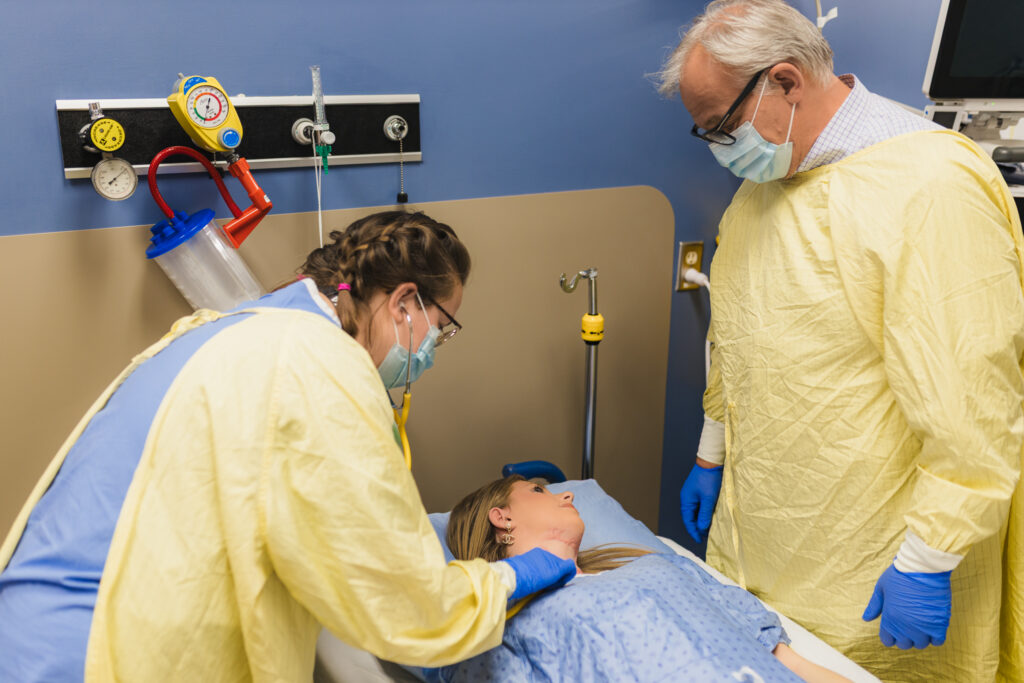
Hamilton Health Sciences (HHS) burn experts are the first in the world to use a novel biological treatment to save the face of a young woman who was severely burned in a London, Ontario house fire last December.

The treatment used exosomes – tiny particles released by cells that carry signals from one cell to another to help coordinate rapid healing and tissue repair and reduce inflammation. The particles are collected, typically from lab-grown cells, and injected into the injured areas to accelerate healing – much more so than the current standard of skin grafting, which can leave scarring and a patch-like appearance.

Exosomes have been studied for years as part of burn research, but not yet in humans. Clinical trials involving humans have used exosomes for other types of wound healing, with promising results.

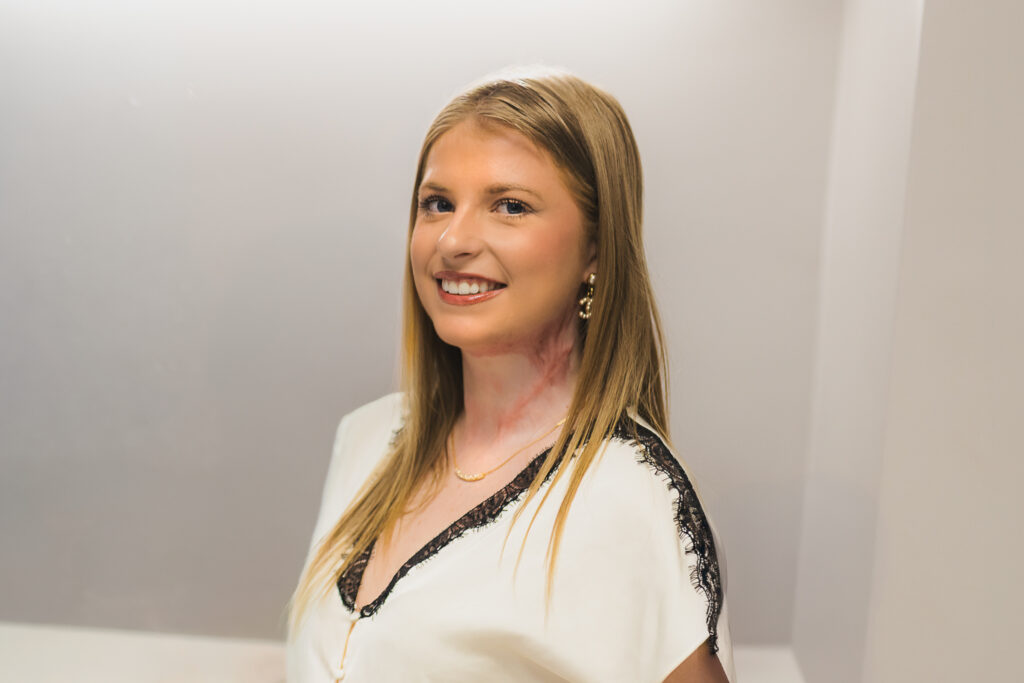
Western University student Kaitlin Jeffrey, 18, of Toronto, received the innovative treatment and healed faster, and with better results, than another young student whose burns from that same fire were serious, but not as severe. The other student wasn’t a candidate for exosome treatment because their injuries did not require skin grafting.

“My vision for Kaitlin was to avoid skin graft surgery to her face and neck at any cost,” says Dr. Marc Jeschke, vice president of research and innovation at HHS, burn surgeon and researcher, and a global authority on burns, who performed Jeffrey’s surgery. Dr. Jeschke is also a professor of surgery at McMaster University, HHS’s key academic partner.

Dr. Jeschke is also the medical director of the regional burn program at HHS’ Hamilton General Hospital – one of Ontario’s two regional burn centres where the most seriously injured patients in the province are treated. Co-located on the Hamilton General Hospital campus is HHS’ Centre for Burn Research, where teams are leading medical advancements and research into burn treatment, including exosome therapy.

After getting the green light from Jeffrey and her parents, Jeschke sent an urgent application to Health Canada to try exosome therapy on compassionate grounds. Receiving no objection, Jeschke and his HHS team became the first in the world to perform this treatment on a burn patient. Jeffrey’s two treatments, which took place several days apart, used one trillion exosomes sourced from the United States.

“You can do the best graft on the planet, but you won’t return the skin to normal. And, for a young person, a skin graft to the face and neck can be absolutely devastating,” he says.

“It’s honestly a miracle,” Jeffrey says of results with respect to her face. “Being injured in the fire has also had deep impact on my mental health, and it’s something I’m continuing to deal with. But having such good results, particularly to my face, is helping me move forward.”

Jeffrey and her family are extremely grateful to Dr. Jeschke and the entire burn centre team.

With further research, Jeschke hopes the world-first treatment will become the new standard of care for burn patients in Canada and beyond.

“Like Dr. Jeschke, my family and I would love to see exosome therapy become the standard of care for patients like myself in Canada, so that when horrific things happen, it doesn’t change people’s lives forever,” says Jeffrey.

Kaitlyn’s story is just one example of what’s possible when groundbreaking research meets donor support. Help fund the next breakthrough.

Join us on September 25, 2026 for an evening of family-friendly fun that brings our community together to honour loved ones and friends while supporting world-class cancer care and research at Juravinski Hospital and Cancer Centre (JHCC).

Join us on Saturday, June 6 at Mona Campbell Track for a morning of fun, laughter, and unforgettable memories. Help write the next chapter for children and youth at McMaster Children’s Hospital and Ron Joyce Children’s Health Centre. 

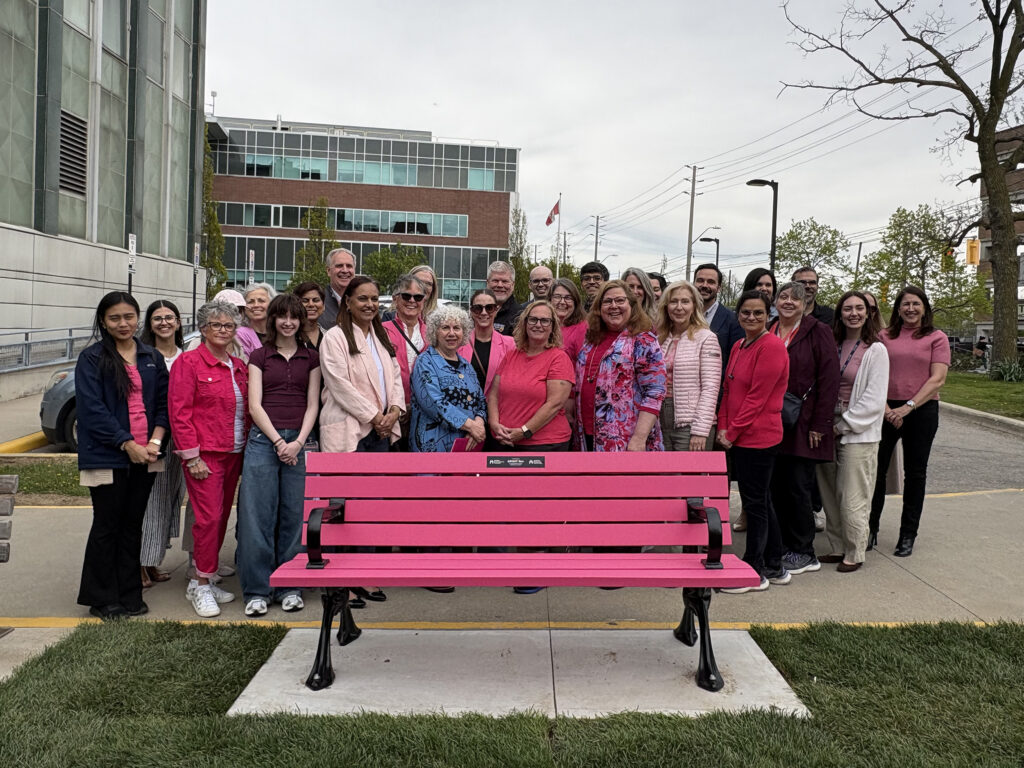
On May 15, something special happened outside the CIBC Breast Assessment Centre at Juravinski Hospital and Cancer Centre (JHCC). Hamilton Health Sciences Foundation (HHSF) unveiled a bright pink bench with a commemorative plaque in honour of BRIGHT (Breast Cancer Research in Greater Hamilton Today) Run, the beloved community event that has raised more than $6.5 million for local breast cancer research since its founding.

Born from the heart of a community

BRIGHT Run didn’t begin in a boardroom. It began with patients. Breast cancer patients at JHCC told their health care providers they wanted to fund research happening at the very Centre that had cared for them, and they wanted to do it together. That simple but powerful idea lit a spark.

In 2008, a dedicated group of oncologists, surgeons, nurses and therapists – experts in medicine, newcomers to event planning – rose to the challenge. On September 6th of that year, more than 1,000 participants gathered at the Dundas Valley Conservation Area in the rain and raised more than $250,000. The excitement was unmistakable. BRIGHT Run was born.

Group of BRIGHT Run organizers, supporters and healthcare staff gathered behind a bright pink commemorative bench outside Juravinski Hospital and Cancer Centre in honour of the community event’s support for breast cancer research.

“BRIGHT Run is all about community – patients, survivors, supporters, volunteers and community partners,” says BRIGHT Run event chair Nancy McMillan. “We come together to provide support, inspiration, hope and to celebrate ‘being.’ What we accomplish together changes lives.”  

Now held annually at Christie Lake Conservation Area on the first Saturday after Labour Day, BRIGHT Run is a non-competitive 1 km or 5 km walk or run open to all ages and abilities. The 2025 event welcomed 1,700 participants and 200 volunteers. Every dollar raised goes entirely and directly to local breast cancer research.

To date, 24 research projects have been funded, including two new ones in 2025. BRIGHT Run has also supported the research component of the PYNK Program at JHCC, providing specialized care for breast cancer patients under 40.

“The research funded through this event has a direct impact on the care we’re able to provide to breast cancer patients right here in Hamilton,” says Dr. Chris Hillis, Hamilton Health Sciences’ vice president of oncology and site executive for JHCC.

A milestone worth marking

“When $6.5 million is raised entirely by volunteers, one step at a time, you realize there is nothing a community can’t do when it works together to achieve a shared goal,” says Anissa Hilborn, chief executive officer of Hamilton Health Sciences Foundation.

The pink bench and its plaque now stand as a permanent tribute outside the CIBC Breast Assessment Centre. It’s a daily reminder of the thousands of steps taken and lives changed by this extraordinary community.

BRIGHT futures are built one step at a time. Thank you, BRIGHT Run, for showing just how far those steps can go.

The Joyce Family Foundation helps open a new era of research, policy and care

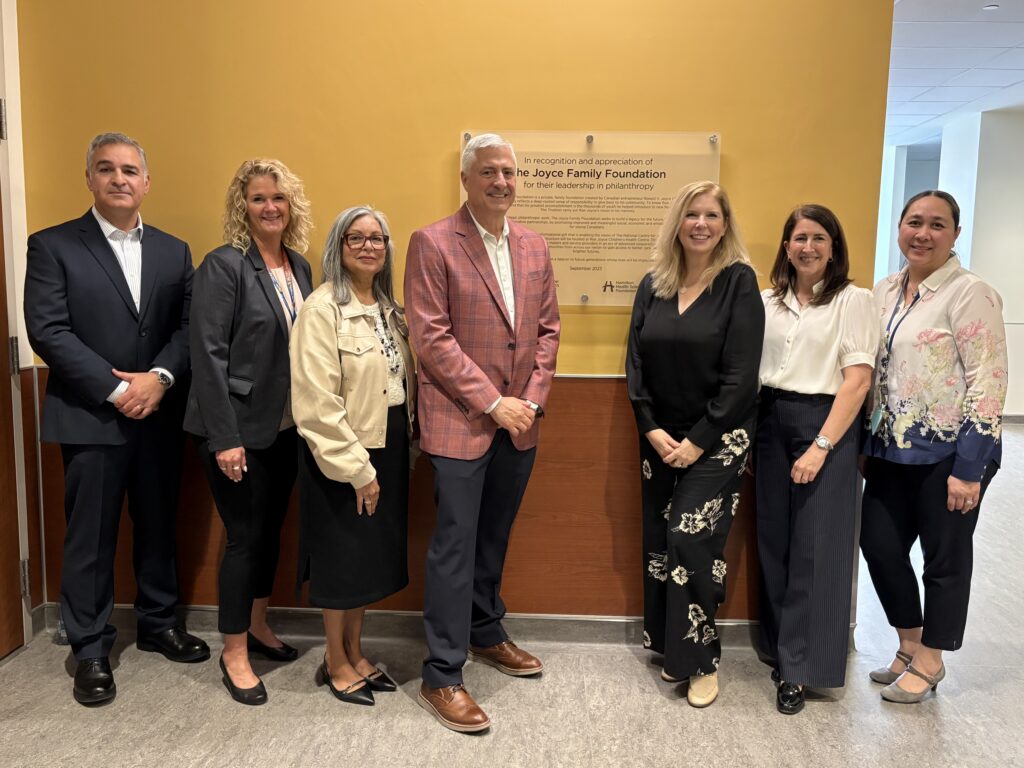
A truly innovative vision is now a reality at Ron Joyce Children’s Health Centre (RJCHC). Today, Hamilton Health Sciences Foundation welcomed The Joyce Family Foundation to unveil a special plaque celebrating their transformational $5 million gift to support the establishment of the National Centre for Autism Collaboration (NCAC). Their generosity proved to be the catalyst the project needed and inspired an additional $5 million in community investment that together brought the NCAC from an ambitious vision to a fully realized national hub.

In Canada, 1 in 50 children are diagnosed with autism, and that number continues to rise. Yet many families still face long wait times for diagnosis and limited access to evidence-based care. The NCAC brings together researchers, clinicians, policymakers and communities from across the country to tackle these challenges in a coordinated way.

“Ron Joyce felt a personal responsibility to support young Canadians and their inherent dignity and potential,” says the Chair of The Joyce Family Foundation Rob MacIsaac. “Investing in a future where every autistic child has access to the care and support they deserve feels like a natural extension of Ron’s legacy.”

Now in its third year, the NCAC is already making an impact. Through four core areas (a Data & Science Hub, Knowledge & Evidence Synthesis Portal, Policy Collaborative, and Training Collaborative) it is connecting experts from coast to coast to coast. Through the Autism Alliance of Canada, the NCAC’s evidence-to-policy infrastructure is helping advance Canada’s Autism Strategy and train future leaders through programs like the Data-to-Policy Fellowship.

The new collaboration space unveiled today at RJCHC serves as the physical home of this national effort. Designed with both function and community in mind, the space includes meeting rooms, workstations and dedicated areas for collaboration.

For Dr. Stelios Georgiades, Director of the Offord Centre for Child Studies and the inaugural holder of the McMaster Children’s Hospital Chair in Autism and Neurodevelopment, the NCAC represents a long-overdue answer to a persistent challenge facing autistic Canadians and their families.

Group of partners and leaders beside a plaque recognizing the Joyce Family Foundation’s support for the National Centre for Autism Collaboration at Ron Joyce Children’s Health Centre

Left to Right:
Stelios Georgiades | Director, Offord Centre for Child Studies and McMaster Children’s Hospital Chair in Autism and Neurodevelopment
Holly Augerman | Director, Child and Youth Mental Health and Autism Services (RJCHC)
Pearl Veenema | Retired CEO (Hamilton Health Sciences Foundation)
Rob MacIssac | Chair of Board, Joyce Family Foundation
Maureen O’Neill | Executive Director, Joyce Family Foundation
Anissa Hilborn | Chief Executive Officer (Hamilton Health Sciences Foundation)
Karen Margallo | Director, Child & Family Community Integrated Care (RJCHC)

“For too long, families living with autism have faced fragmented systems of care and research. That in turn lead to delays and inequities in services and supports. By connecting the right people and organizations and acting on the best available evidence, we can improve policies and programs and transform the lives of autistic children and youth across Canada.”

Donor support makes this progress possible. The NCAC’s national scope extends beyond traditional health care funding models, making philanthropy essential to its success. The Joyce Family Foundation’s exceptional gift helped move the Centre from concept to reality. Today’s plaque unveiling represents a new chapter for autism research, policy, and care across Canada. “The Joyce Family Foundation has exemplified what it means to be a true philanthropic partner,” says Anissa Hilborn, CEO of Hamilton Health Sciences Foundation. “Their early belief in this vision helped turn an ambitious idea into a national effort with real impact.”