Donate

The last thing Brandon remembers from June 19, 2021, was driving an ATV to a friend’s house. He doesn’t remember the crash and it would be nearly a month before he could process the full story of what happened to him that day. 

Unconscious and with obvious and significant head trauma, Brandon was given CPR by bystanders and EMS had to bag him all the way from his rural town to Hamilton General Hospital because he wasn’t breathing. 

While Brandon doesn’t remember anything about the crash or its immediate aftermath, the ordeal is still vivid in his wife Alexandra’s mind. 

Alexandra is a nurse. Helping people with traumatic injuries is her job. She does it with a level head. But this day it is wasn’t a random patient with a head injury. This was her husband. 

“On this day I was just a wife. I was hysterical,” says Alexandra, recounting her state when she arrived at the hospital. “The charge nurse in the ICU literally had to hold me up to go see him.” 

Brandon’s state was significantly worse. His collarbone and four ribs were broke; his face was bruised and bloody. He wasn’t able to breathe on his own. 

But these injuries were “the least of our worries” according to the doctors who met with Alexandra after Brandon’s initial assessment in the ICU. He was non-responsive and he had multiple brain bleeds. The only goal at this time was to keep him alive and even that was a lofty one. 

“You just never know how these situations are going to turn out when they come in,” says Dr. Kachur, the neurosurgeon who operated on Brandon after his accident. “In the immediate period, it was just a matter of doing what we could to keep him alive.” 

“I had to sign consent for him to get life-saving brain surgery and they weren’t even sure if he was gonna make it off the table,” remembers Alexandra. 

With Alexandra’s consent, Dr. Kachur and his team performed a craniotomy to repair brain bleeds on both sides of his head. This required Dr. Kachur to remove a piece of Brandon’s skull so that his brain could swell and heal.  

For Alexandra, this was yet another piece of distressing information. Her husband was now missing part of his skull. When she asked Dr. Kachur when it would be put back, he responded gravely that this was “the least of our worries right now.” 
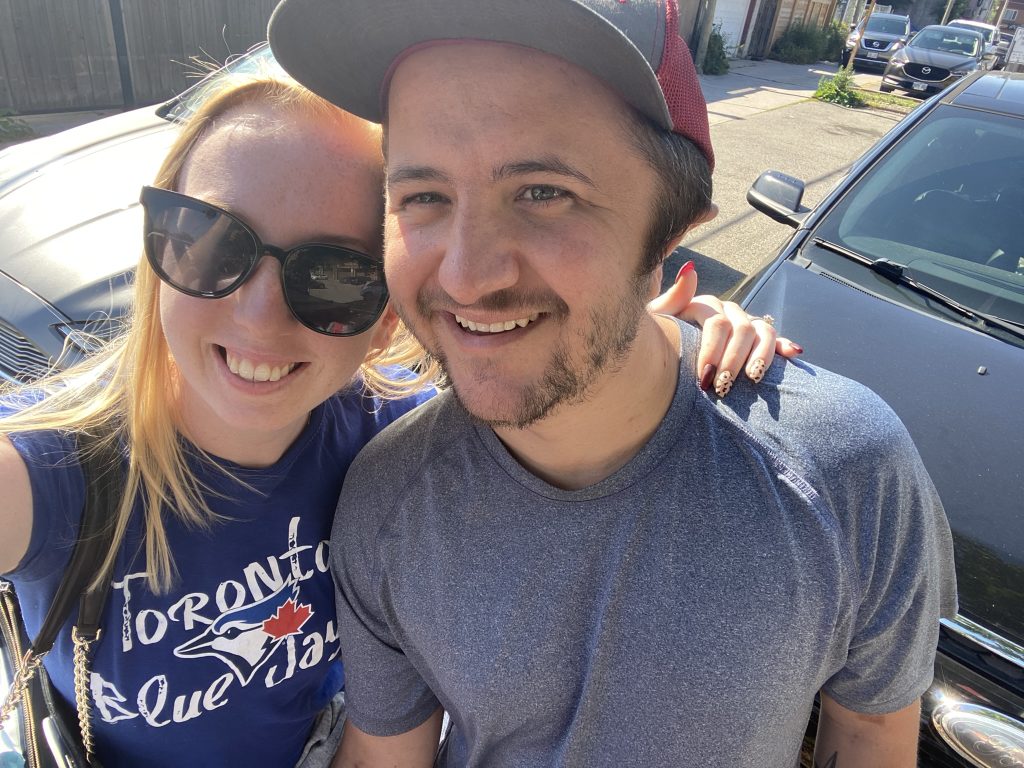
“They weren’t sure if he would wake up or what his function would be because the brain injuries were so extensive,” explains Alexandra. 

It was a lot to process. Too much to process. Brandon was 30 and Alexandra 27. They were two years married, ready to start a family. In an instant, all her hopes were reduced to his survival and all her plans whittled down to his recovery. For 13 days following his surgery Brandon was on a ventilator and his condition remained stubbornly touch and go. 

Finally, Brandon’s condition stabilized enough for his health care team to wake him up. Alexandra rushed to the hospital when she heard the news. 

She was anxious. She had no idea what condition her husband’s mental and physical function would be. Would he be able to talk? Would he even remember who she was?  

The answers to both of these questions were yes. Brandon’s speech was a bit garbled and he was confused about being in the hospital, but he immediately recognized Alexandra and tried to give her a hug.

 Recovery and rehabilitation

Because Brandon and Alexandra lived out in the country, beyond the normal catchment area for The General’s Regional Rehabilitation Centre (RRC), Brandon was supposed to return to his local hospital system for rehabilitation. 

But Alexandra wouldn’t hear it. 

She works as a nurse in her region’s hospital and is quick to assert that it’s a fantastic hospital with excellent facilities and brilliant staff. But Brandon, she felt, needed much more than what her local county hospital could provide in order to have a shot at a meaningful recovery. With Brandon out of the woods, Alexandra has let her hopes and plans for a full and vibrant future with her husband grow and she was ready to do whatever it took to make that happen. 

So, Alexandra fought to get Brandon into the Regional Rehabilitation Centre and she succeeded. She put every ounce of her formidable intelligence, time, effort and determination towards Brandon’s recovery. She attended every appointment, educated herself on all aspects of Brandon’s injury and the potential for management and improvement. 

“Brandon has an amazing wife,” say Dr. Kachur, admiring Alexandra’s advocacy throughout Brandon’s recovery. “She’s extremely caring and concerned for her husband’s wellbeing. Anybody would want to have somebody like that if they got into a situation like Brandon did.” 

At the RRC’s Acquired Brain Injury Unit, Brandon re-learned how to walk, how to chew and swallow. The therapy team helped him to get his strength and memory back, all while dealing with the emotional fallout and trauma from the accident. 
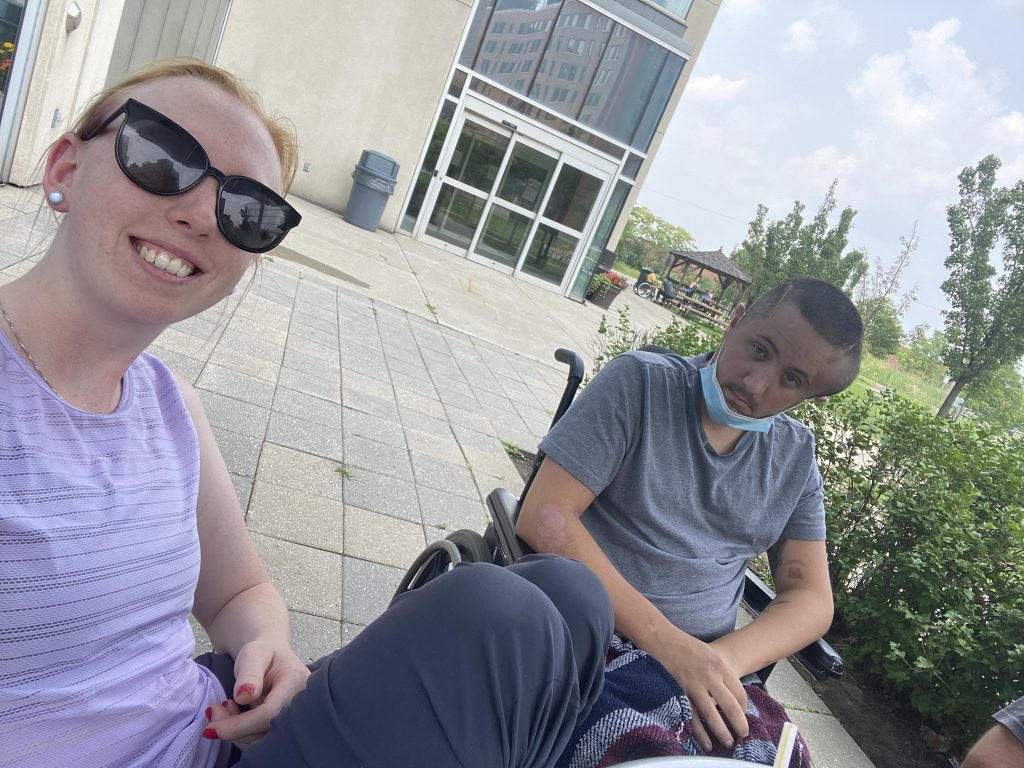
“They were amazing,” says Alexandra. “Especially his rehab assistant, Diana. She worked with him every day: going to the gym, helping him out. She was fantastic.” 

Diana was also there to talk Alexandra through the hard days and “put Brandon in his place if he was getting a little saucy,” as Alexandra describes it, smirking. “He’d call be and be like, ‘you gotta bring the boss a coffee, I was rude today.’ ” 

“They brought him back,” says Alexandra. “Dr. Kachur saved his life, but the rehab team gave me my husband back. I don’t think Brandon would be home with me [without the Regional Rehabilitation Centre]. I think he would probably be either not with us anymore or I’d either have to visit him at a cemetery or at a long-term care facility if they didn’t work so diligently with him.” 

Both Brandon and Alexandra acknowledge that things will never be the same as before the accident. But Brandon has made significant recovery in all the ways that matter most to the couple. 
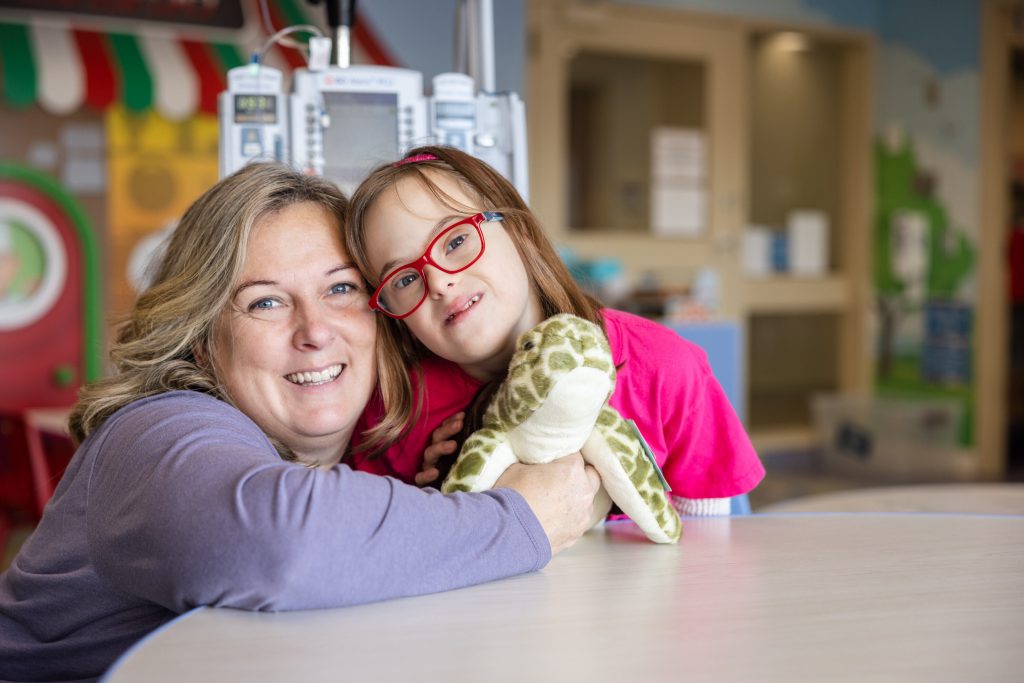
On the bustling level three of McMaster Children’s Hospital, amidst the whirl of doctors and nurses, there’s a tiny, vivacious presence that radiates joy: 11-year-old Ella. Just scraping three feet tall and 40 lbs with her backpack on, it’s a wonder to see so much personality packed into such a small package.

“She’s full of sauce. She’s very stubborn and determined little girl,” says Ella’s mother, Shelley. 

Like many children, Ella had the occasional hospital visit throughout early childhood. While she was always an overall happy and healthy little girl, her mother, and her pediatrician Dr. Latchman, had ongoing concerns that Ella couldn’t seem to put on weight. She fell well below the DS chart. Shelley took Ella to a dietician and other specialists but nothing seemed to help and Ella remained worryingly lithe. 

Unexpectedly, it was a bout of appendicitis that finally revealed the culprit of Ella’s weight gain woes. 

When surgeons operated on Ella’s ruptured appendix, they saw that her intestines were painfully inflamed. She spent the next two weeks in the hospital and was referred to a GI specialist, Dr. Sherlock, who diagnosed Ella with Crohn’s Disease. Dr. Sherlock recommended an ongoing course of intravenous therapy with a medication every six to eight weeks. 

The therapy has been so far successful, but Ella continues to see a variety of other specialists at McMaster Children’s Hospital including a nephrologist to check her kidneys, an endocrinologist to monitor her hormones, an orthopedic specialist and an optometrist to try to correct her esotropia strabismus (‘lazy eye’). 

Shelley is grateful to have so much specialized care in one place and that Ella’s health care team are consistently proactive in investigating all potential concerns. “I can’t say enough about Mac. Truly, their staff is absolutely amazing,” says Shelley. “Ella is there all the time, and some of the procedures aren’t pleasant and they know how to handle her and how to treat her.”  

For example, recognizing Ella’s aversion to the needle poke that accompanies her IV therapy, the Child Life Specialists went out of their way to provide personal touches tailored to make Ella’s visits as pleasant as possible. From crafting Barbie-themed signs to engaging her in arts and crafts, they ensured each visit was sprinkled with familiar comforts and joyful surprises. 

Ella’s beloved Grover stuffy, a constant companion on her hospital visits, is not forgotten either. The team ensures the fuzzy muppet gets as much attention and care as Ella does—a small yet meaningful gesture that speaks volumes about the compassionate community at McMaster Children’s Hospital. 

It’s not just Ella who delights in the Child Life Specialists. Shelley appreciates the assurance and support the team provides through helpful tips, tricks and ideas to help parents like her find success in all the challenges posed by a child’s medical needs. 

“They’ve seen and tried everything or they hear lots of stories so they share that,” says Shelley. “So it’s like try this or have you tried this? and then eventually you get through it.” 

Ella’s journey stands as a testament to the transformative power of compassionate, comprehensive care. From the diligent specialists who leave no stone unturned in their pursuit of her well-being to the thoughtful Child Life Specialists who infuse each visit with familiarity and joy, McMaster Children’s Hospital exemplifies a profound commitment to holistic healing.  

Ella’s story echoes the resilience of young patients and the indispensable role of a nurturing health care community in which donors play an important role. 

Every year, more than 50,000 people rely on Hamilton General Hospital’s (HGH) Emergency Department (ED) for life-saving care. From cardiac arrests and strokes to severe trauma, HGH stands as the regional hub for emergency medicine in south-central Ontario. But the system is stretched to its limit.

The HGH ED, built for an era with far fewer demands, is now overwhelmed. Patient volumes have outgrown the current space, forcing care into hallways and non-clinical areas. This not only compromises patient privacy and comfort but raises serious concerns about safety. Even the most skilled healthcare teams are limited in what they can provide when the environment isn’t equipped to meet the region’s growing needs.

Hamilton Health Sciences Foundation is answering this call for change with a fundraising campaign to support a major redevelopment of the HGH ED. With the support of initial government funding, this project will achieve significant improvements, including:

  • • Expanding the ED to 22,000 square feet
  • • Adding more treatment rooms and airborne isolation units
  • • Enhanced triage and patient flow processes to reduce wait times
  • • Creating a safer, state-of-the-art, patient-centered environment

Serving a population of over 2.3 million, HGH is one of Canada’s premier centres for trauma, cardiac, vascular, and stroke care. The region’s needs are only increasing as the population ages and grows. This redevelopment represents a once-in-a-generation opportunity to transform emergency care for countless patients and families.

This vital improvement can only happen with your support.

The total cost of this essential redevelopment is estimated to exceed $20 million. The Ministry of Health has committed initial funding, but philanthropy plays a critical role in bringing this vision to life. Hamilton Health Sciences Foundation has committed to raising a minimum of $5 million to support this urgent need. This is an opportunity for our community to come together and make a profound and lasting impact on health care in our region.

By joining our community of supporters, you’re helping ensure a healthier future for hundreds of thousands of people. Together, we can provide the space, privacy, and safety that every patient deserves.

Be part of this transformation. Support the future of emergency care today.

Interested in making a gift? Please donate at www.hamiltonhealth.ca/donate, or if you are interested in learning more about how you can make a significant impact, contact Sherri Bocchini, VP Philanthropy & Partnerships at bocchini@hhsc.ca.

New blood test project aims to bring personalized cancer care to Hamilton

The Juravinski Research Institute (JRI) is supporting a groundbreaking project by Hamilton Health Sciences, McMaster University and St. Joseph’s Healthcare Hamilton that could transform cancer treatment in Hamilton and serve as a model for cancer care across Canada. 

The initiative—called Enhancing Liquid Biopsy Evaluation and Data Analytics for Personalized Medicine or ELEVATe-PM—will develop better ways to detect and track cancer using simple blood tests. These tests, known as liquid biopsies, can identify minimal residual disease—tiny amounts of cancer that may remain after treatment—and help doctors tailor care to each patient’s needs. 

Led by Aly-Khan Lalani, MD; Tobias Berg, MD and Darryl Leong, MBBS, PhD, the research team brings together clinicians, scientists and digital health experts from Hamilton Health Sciences, McMaster University and St. Joseph’s Healthcare Hamilton. Patient representatives are also part of the team, ensuring the work reflects real-world needs and experiences. 

“We’re excited about what this means for cancer patients,” said Lehana Thabane, Chair of the JRI scientific committee and Vice President of research at St. Joseph’s Healthcare Hamilton. “This project combines cutting-edge diagnostics with artificial intelligence to support more personalized, effective care. It’s about delivering the right treatment to the right patient at the right time.” 

The program will initially include select patients diagnosed with bladder cancer, kidney cancer, and acute myeloid leukemia at Hamilton Health Sciences’ Juravinski Cancer Centre. It will build streamlined systems to collect and analyze specific biomarkers in blood—such as circulating tumour DNA or cancer-related proteins (such as KIM-1)—making it easier for clinicians to monitor disease and make treatment decisions. 

ELEVATe-PM will also harness electronic health records and advanced data analytics to identify patients who could benefit from the tests. The team aims to integrate results directly into care plans, helping oncologists act quickly and accurately. 

With the potential to expand to other cancer types, the project positions Hamilton as a leader in personalized cancer care and health data innovation. 

“We are grateful to the JRI for funding our work,” said Lalani, a medical oncologist and the nominated lead principal investigator. “Together with our collaborative, city-wide team, we aim to integrate innovative blood testing into routine clinical workflows to benefit patients in Hamilton. We will also harness the power of AI and data analytics to evaluate and enhance efficiencies within our cancer research program. Throughout this project, we will actively seek international best practices from leading researchers in these fields.” 

The JRI is improving the health of Canadians by advancing groundbreaking research at Hamilton Health Sciences, McMaster University and St. Joseph’s Healthcare Hamilton. The Institute and its projects are funded through the generosity of the late Hamilton philanthropists, Charles and Margaret Juravinski, and the Juravinski Foundation. Join Charles and Margaret’s lasting legacy in pioneering health research by making a gift in support of the JRI. 

Every discovery starts with a question.

From how to reduce rates of childhood obesity to how to help kids more fully recover from intensive care, researchers at Hamilton Health Sciences (HHS) are tackling some of the most pressing questions in child health. 

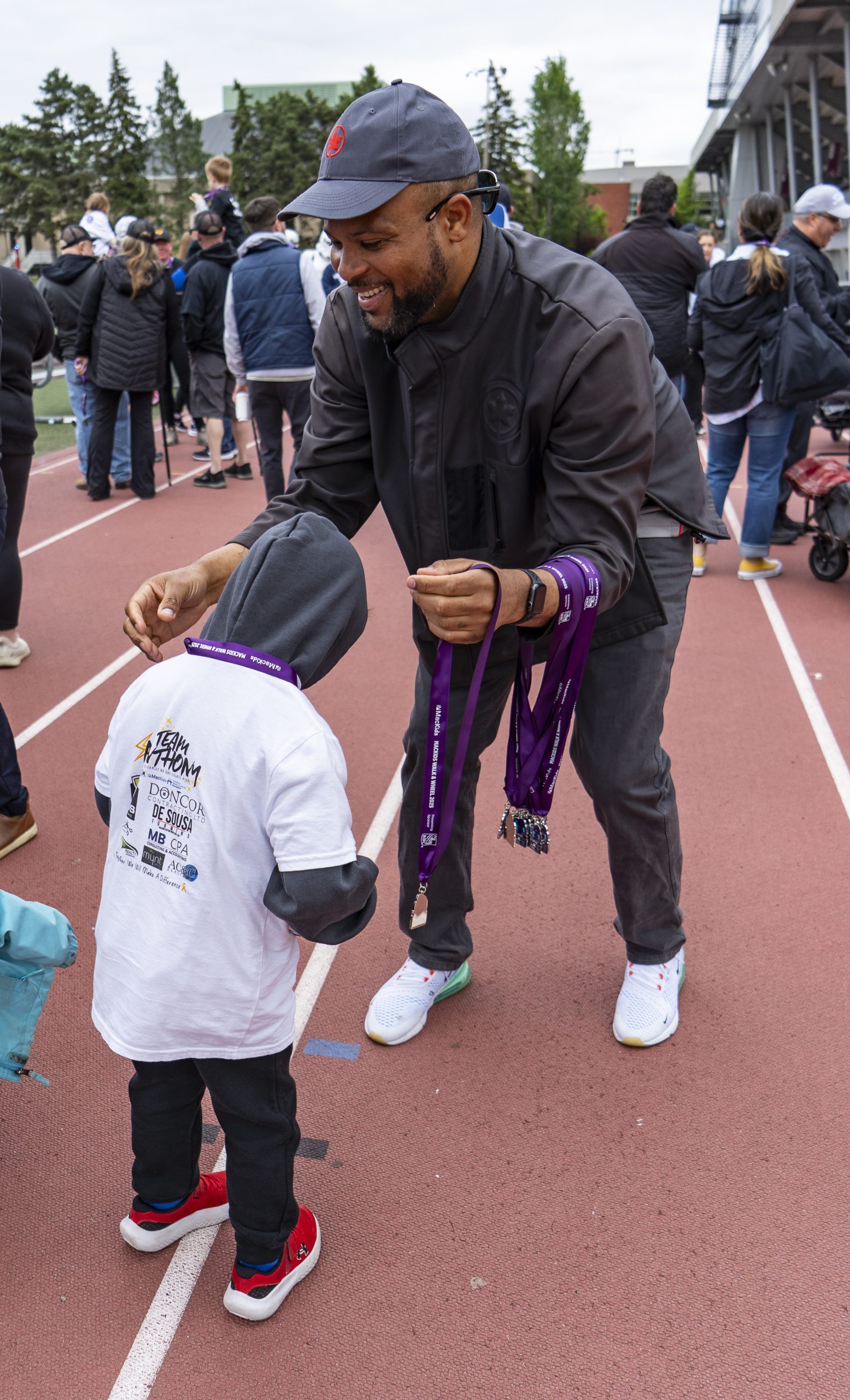
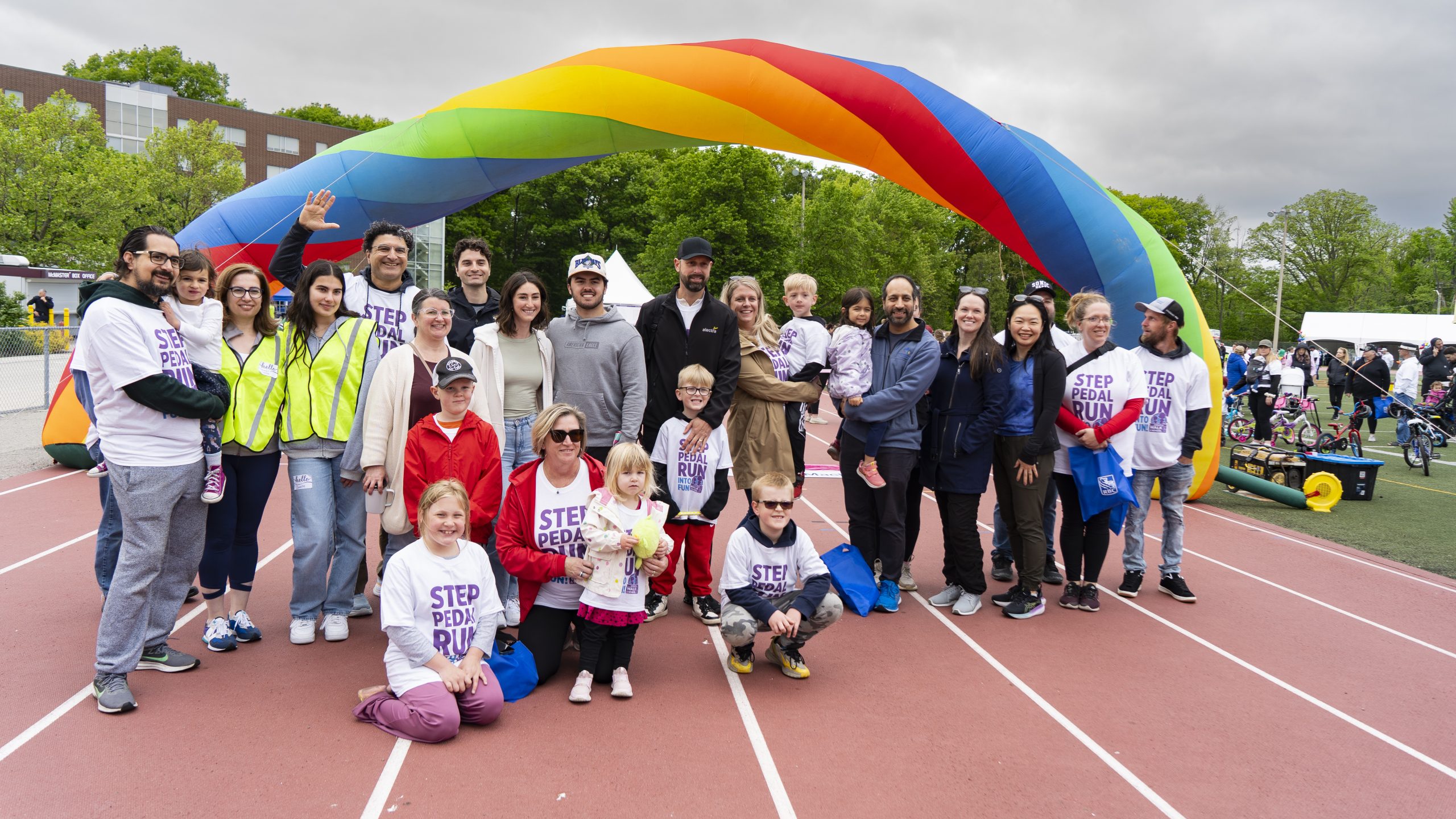
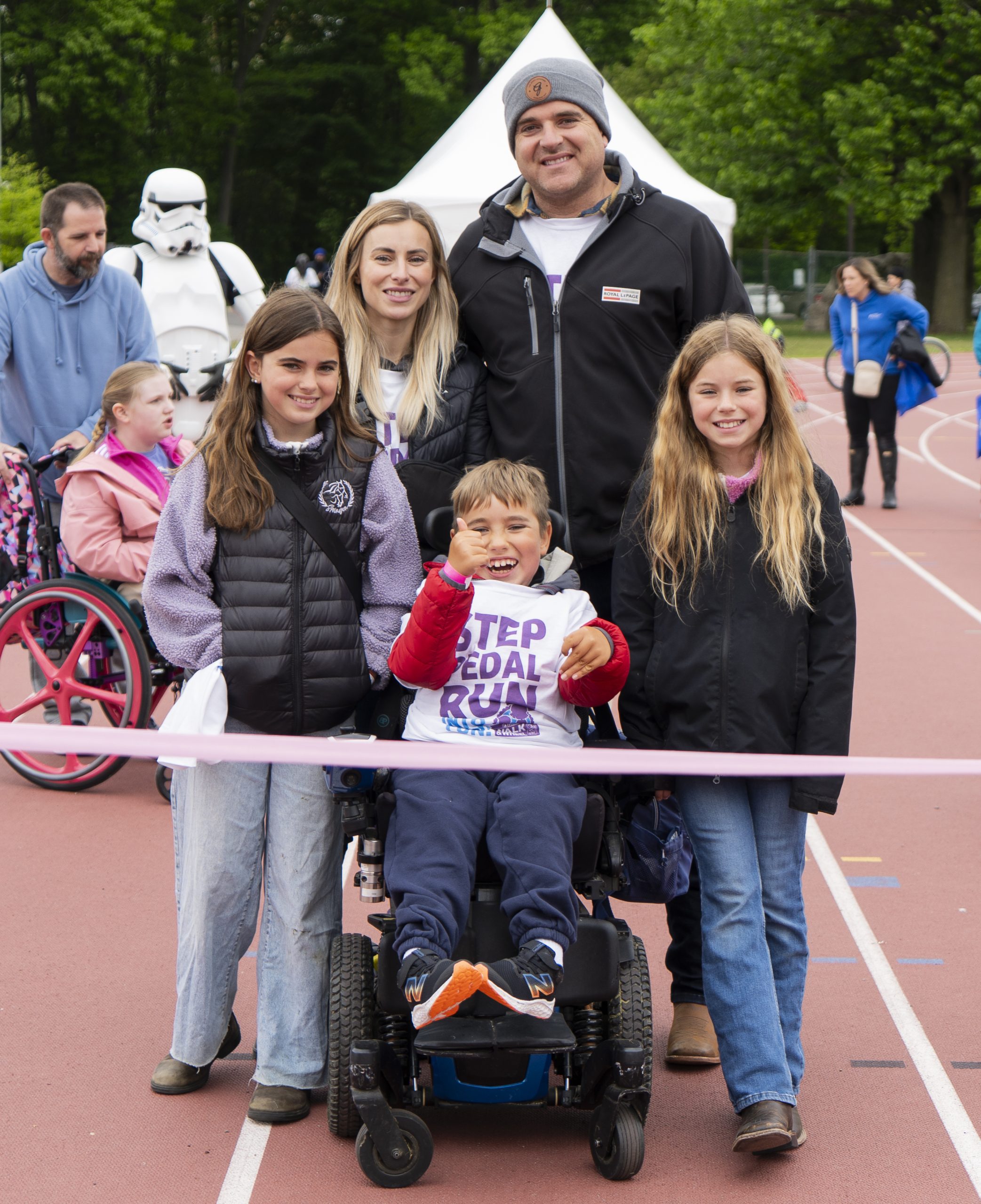
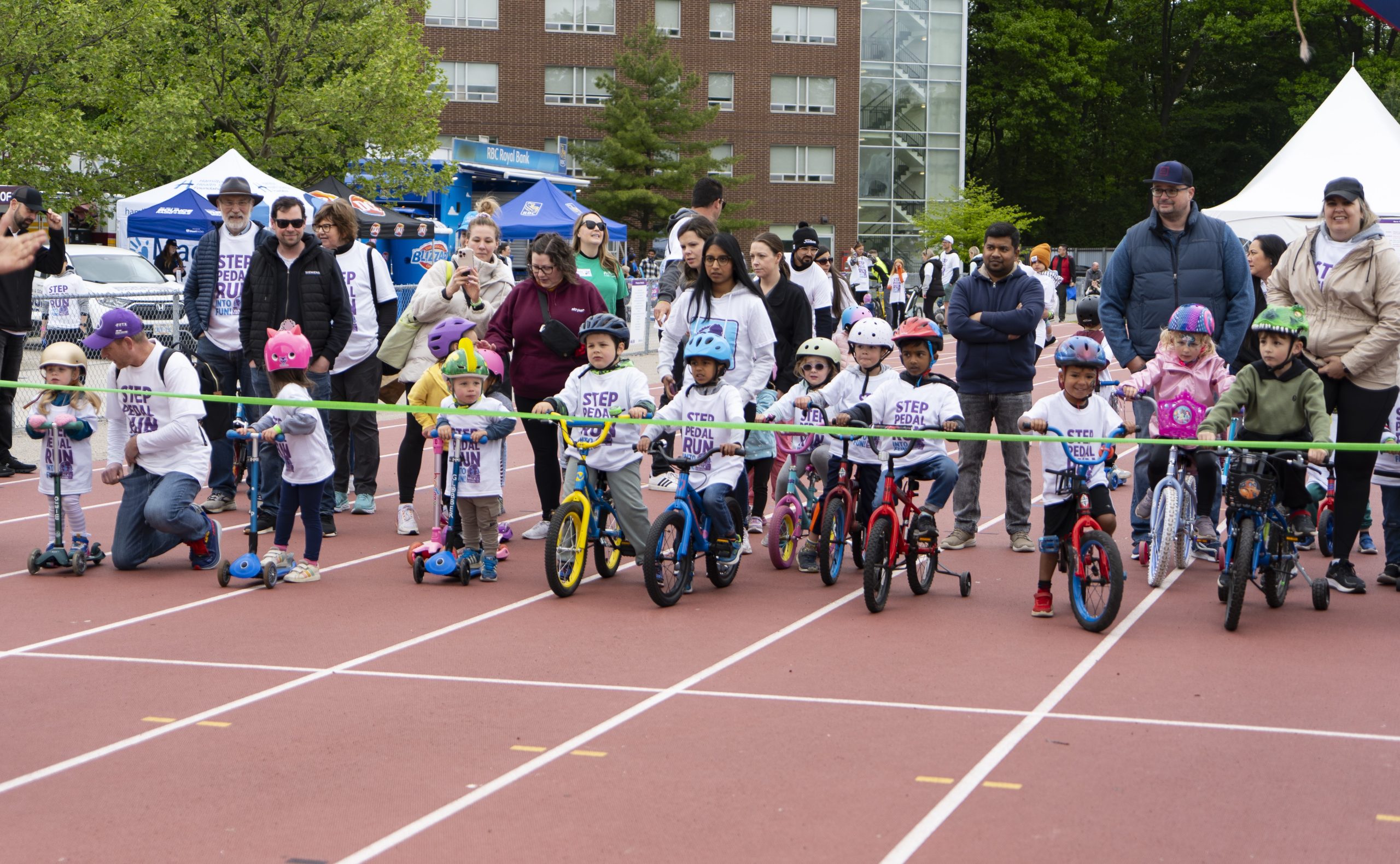
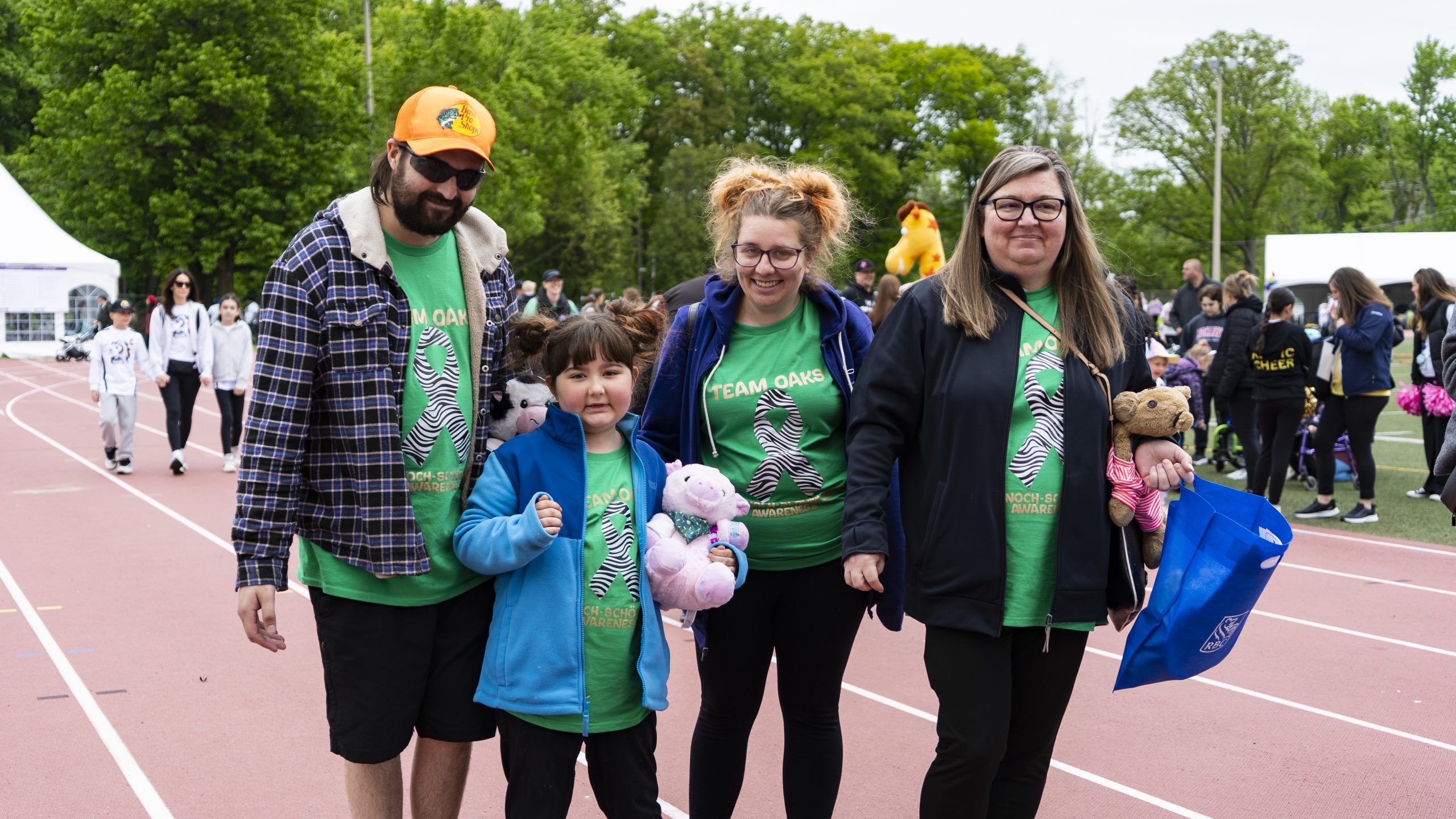
With support from MacKids — and events such as the flagship MacKids Walk & Wheel, a growing community of donors is helping turn bold ideas into life-changing care for children and families in Hamilton and around the world. 

Here are just some of the questions HHS researchers are exploring with that support: 

Could we prevent obesity-related disease before it starts?

As childhood obesity rates continue to climb, Katherine Morrison pediatric endocrinologist at McMaster Children’s Hospital (MCH) and professor in the Department of Pediatrics, saw an urgent need for a new approach. 

In 2012, with a $150,000 contribution from MacKids, she and her co-director, Gregory Steinberg, launched a program to develop better strategies for preventing and treating obesity-related diseases. By 2018, the initiative grew into the Centre for Metabolism, Obesity and Diabetes Research (MODR). 

Today, MODR is home to a team of scientists whose work is transforming care through innovative metabolic disease research. With early donor support, the centre has gone on to attract major external funding and publish in high-impact journals such as Nature and The Lancet. 

The human brain is incredibly complex, managing everything from our breathing and movement to our thoughts, emotions and memories. According to the World Health Organization, brain-related disorders are among the leading causes of disability worldwide, significantly impacting people’s health and well-being. There is a critical need to better understand how the brain functions and to develop novel treatments and interventions that can improve or retain brain health. 

Thanks to funding from the Juravinski Research Institute (JRI), a team of researchers is charting a course to make Hamilton an international leader in brain health imaging and research. 

The new Hamilton Integrated BrainHealth Research Platform will combine clinical care, research, big data and artificial intelligence, with the goal of discovering new ways to improve brain health. 

The research platform has three core pillars: 

  • • Research registry: By gathering detailed brain data and images from current patients and community members, the research team will build a unique database to improve the diagnosis, prognosis and personalized treatment of brain diseases. 
  • • Learning health system: By integrating real-world patient data to generate evidence, the platform will assess brain-based biomarkers to improve care immediately. This learning health system will foster new opportunities for collaboration and education among patients, clinicians and researchers. 
  • • Pilot testing novel brain-based treatments: The platform will launch early-stage studies to determine the feasibility and effectiveness of groundbreaking new treatments, such as deep repetitive transcranial magnetic stimulation (which uses powerful magnetic fields to stimulate the brain), on brain diseases including dementia, substance use disorder and chronic pain. The data will lay the foundation for clinical trials, ultimately bringing the treatments into widespread use. 

“The platform will allow us to make important discoveries in brain-related research areas such as psychiatry, neuroscience, aging, neurology and pediatrics,” said Lehana Thabane, Chair of the JRI scientific committee and Vice President of research at St. Joseph’s Healthcare Hamilton.  

“We are excited about the potential to significantly advance research and patient care, setting the stage for Hamilton’s global leadership in brain health.” 

The research team includes members across Hamilton Health Sciences, McMaster University and St. Joseph’s Healthcare Hamilton, led by James MacKillop, PhD; with Benicio Frey, MD, PhD; Justin Lee, MD; Ipsita Goswami, MD; Mike Noseworthy, PhD; and Maura Marcucci, MD, from Humanitas University

Why MacKids? MacKids is all about kids. We chose this name to reflect the heart of what we do – bringing people together to support life-changing care for children.

“We’re here to connect with everyone who’s passionate about improving pediatric health care, “says Anissa Hilborn, CEO of Hamilton Health Sciences Foundation. “At the same time, we’re staying fully committed to supporting all parts of Hamilton Health Sciences.” 

Part of a Bigger Mission 

While MacKids shines a light on pediatric care, Hamilton Health Sciences Foundation has always been about supporting exceptional care for everyone. We’re still here for all parts of our hospital network including Juravinski Hospital and Cancer Centre, Hamilton General Hospital and St.Peter’s Hospital. Together we’re making a difference for patients of all ages. 

What MacKids Means for Our Community 

MacKids opens the door to exciting opportunities – new partnerships, bigger awareness, and a greater impact for families across our region. It’s about uniting our community to ensure children and families have access to life-saving care and groundbreaking research. 

How You Can Join the Movement 

This is your chance to help create healthier futures for children and families in your community. Donate today and be part of this remarkable new chapter in pediatric health care. 

Together, we’re building brighter tomorrows.